The NSman Lifecycle: A Strategic Guide from ORD to M-Day
The NSman Lifecycle Summary
The NSman Lifecycle starts after ORD and continues through ORNS, ICT, Manning, IPPT, NS FIT, MR, and M-Day. To manage it well, NSmen should understand their 10 ICT cycles, complete SAF Training Year requirements properly, plan fitness around High Key years, respect Low Key ICTs, take Manning seriously, track their birthday-based IPPT window, aim beyond just passing for better awards, use NS FIT as guided training if needed, and know the difference between completing ORNS and reaching MR. The real goal is to finish each obligation early, avoid last-minute panic, close your NS journey smoothly, and stay fit even after M-Day.
Introduction
Once you have ORD-ed, collected your watch, shaken your CO’s hand, and walked out thinking Green Life is over, the real NSman Lifecycle in Singapore is actually just starting. ORD is not the final page of National Service; it is the start of a 10-cycle Operationally Ready National Service journey, also called ORNS or the ORNS phase, where NSmen move into a new NS phase filled with ICT, IPPT, in-camp training, and the yearly rhythm of the Singapore NS system.
As a trainer who has guided thousands of men through this military transition, I have seen many Chiong Sua soldiers become busy Uncle NSmen trying to balance work, family, and their reservist journey. The official sites explain the rules, but they rarely give the real strategy, so this section works like a veteran-approved roadmap for your post-ORD life, helping you understand when the fitness test matters, how the NS system works, what being Operationally Ready means, and when those combat boots finally stop following you for the next 10 to 20 years.
The 10 Year Training Cycle: ICTs What Most NSmen Miss
The 10 training years are where many NSmen quietly get confused, because the system is not only about showing up when called; from my 15 years of coaching, I have seen that the men who finish smoothly usually understand their ICT pattern early, track their obligations, and treat each cycle as one step closer to completion.
First Important Thing You Must Know
A SAF Training Year only matters when the full requirement is completed, not just because you appeared for something once. I have seen many guys think one year is cleared, then later become kan cheong when they realise it did not count properly.
High Key ICT: What It Really Means for You
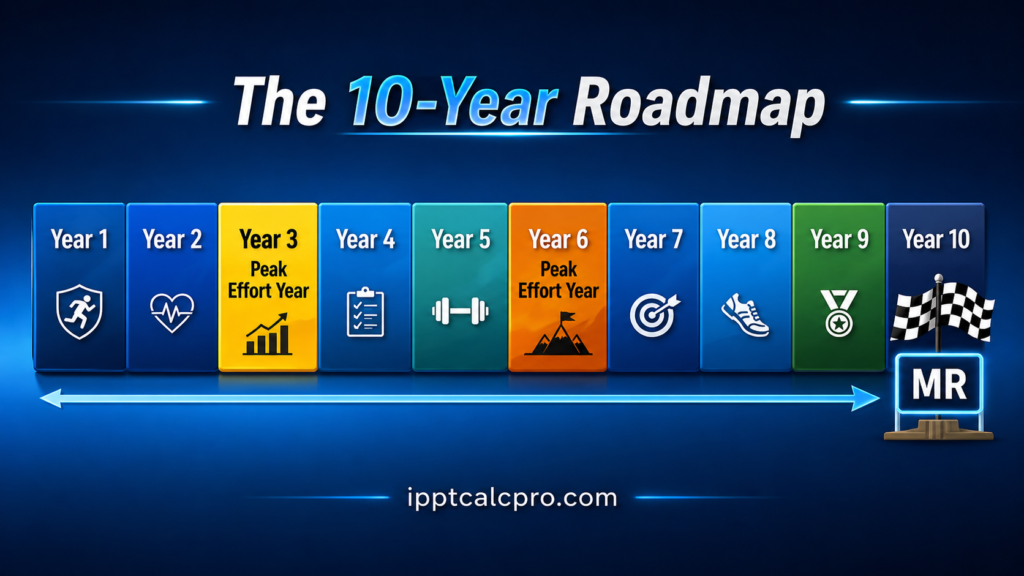
- High Key ICTs usually last seven days or more, and some can stretch close to two weeks, so treat them as your real active years in the NSman cycle.
- This is where field training, evaluations, and sometimes ATEC come in, especially around Years Three to Six, when the load often feels the heaviest.
- My trainer tip is simple: do not rely only on official brochures, because they explain the schedule but not how tiring the week can feel.
- If you fail IPPT during a High Key year, your evening rest time may turn into Remedial Training or RT, which is the part many guys regret.
- I have seen men at Maju FCC and Kranji Camp finish a long day, then change out again while others rest, and that one feels very sian.
- Treat these as your peak fitness years, not something to fix at the last minute.
Low Key ICT Not a Free Holiday
- Low Key ICTs are shorter, usually around one to six days, but that does not mean you can fully switch off.
- A lot of NSmen hear “Low Key” and think it will be easy, but that mindset can catch them off guard.
- The pace is normally lighter, with refreshers, briefings, and admin work, yet fitness checks can still appear.
- I have seen guys get surprised by sudden IPPT or fitness requirements simply because they assumed too much.
- Keep a basic fitness level all year, so you are not scrambling when something unexpected comes up.
The Manning Phase Where People Get Burned
- This is your standby period, so do not treat it like a normal free week.
- Always check your Manning colour early, because the colour tells you how ready you need to be.
- Yellow usually means you may still go out, but stay sober, reachable, and able to respond fast.
- Green means your bag should already be packed and sitting near the door.
- One thing I always warn people about: never book non-refundable holidays during Manning.
- I have seen more than one person lose money and still report for duty, with no appeal and no sympathy.
Final Coach Advice
Plan your fitness around the High Key years, but still respect the Low Key ones because lighter does not mean forgettable.Take Manning seriously, and treat the whole cycle as a system you can prepare for instead of a surprise.
Once you think this way, NS life feels much calmer and easier to manage.
The IPPT Cycle: Your Annual Fitness Obligation
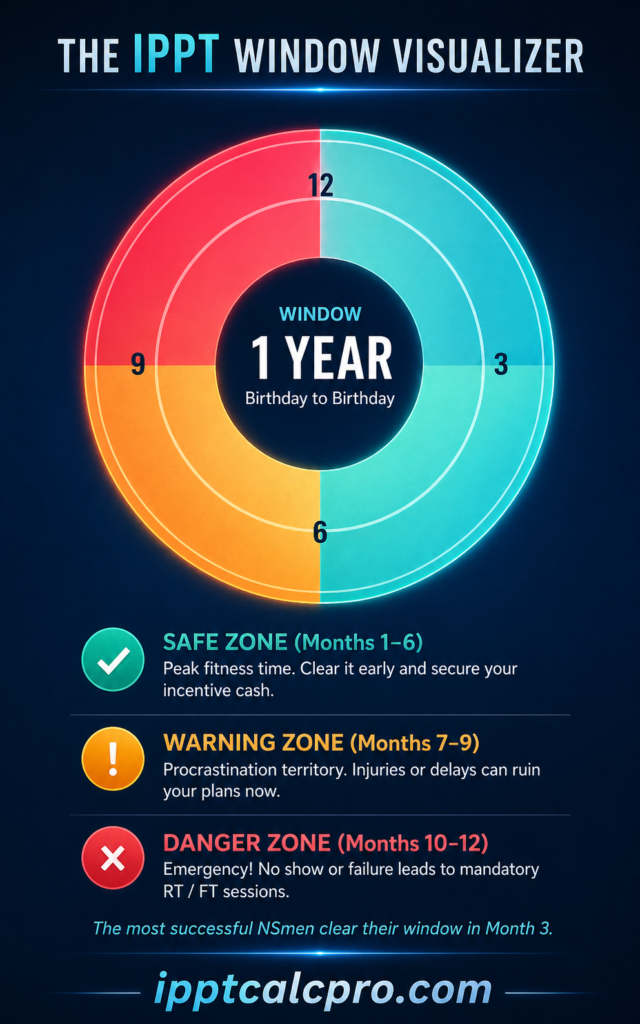
This part confuses many NSmen every year, but IPPT is not something that appears out of nowhere. It follows a fixed yearly cycle, and once you understand that timing, planning becomes much easier and you stop feeling so blur.
Your IPPT Year Is Tied to Your Birthday
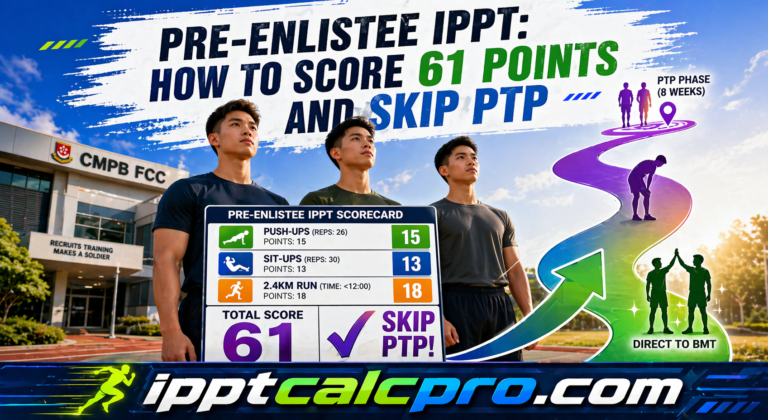
Your IPPT window starts from your birthday and ends one day before your next birthday, not by calendar year or SAF year, and I have seen guys at Bedok Stadium rush to book IPPT in panic mode with only three days left. Treat your birthday window as an annual fitness checkpoint because it returns every year at the same time with the same responsibility.
The NSman Lifecycle
Don’t Just Pass, Aim for the Cash
- Many NSmen tell me, “Coach, I just want to pass,” but that mindset can quietly cost you money.
- The gap between Silver and Gold may be only two sit ups, a faster run, a few more reps, or a few saved seconds.
- Before training blindly, use an IPPT calculator to check the exact score needed for your age group.
- Use an IPPT Calculator early, because small improvements can move you from three hundred dollars to five hundred dollars.
- That extra 200$ is not magic; it often comes from just one week of smarter effort.
- Even one extra training session can be the difference between “just passed” and getting paid better.
NS FIT Not a Punishment If You Use It Right
- If you do not pass IPPT, you will move into NS FIT, but that does not mean you have failed badly.
- Many NSmen actually choose NS FIT on purpose because it gives them a clear training routine.
- You get ten sessions, each about sixty minutes, with proper workouts like HIIT, strength training, and even yoga.
- The locations are spread across Singapore, including parks, gyms, and FCCs such as Maju and Khatib.
- For anyone who struggles to stay disciplined alone, NS FIT is almost like free guided coaching.
- I have seen plenty of guys become fitter after NS FIT, so do not fear it; use it to build your base and return stronger for IPPT.
The Finish Line: MINDEF Reserve and M Day
Straight talk from your coach,after 15 years of coaching IPPT, I have seen many NSmen still get blur about this topic. So let’s keep it simple and read this like a quick check-in with someone who has guided plenty of guys through the process.
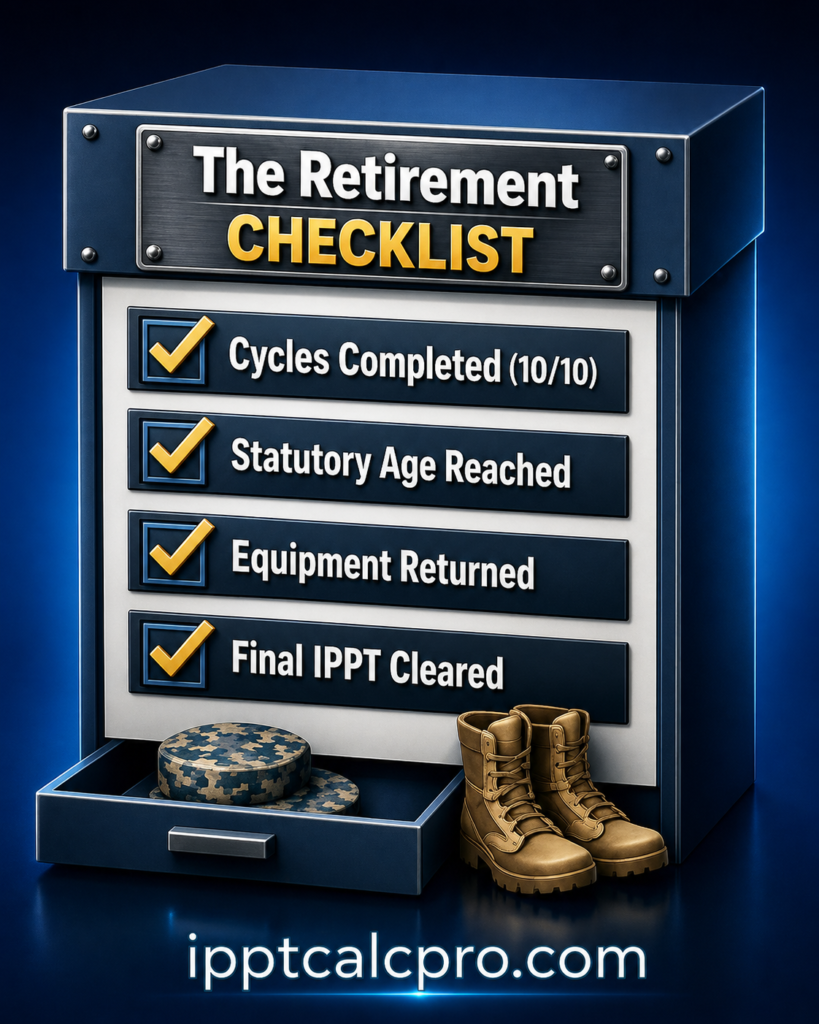
Quic check before you read on
Keep these points in mind as you read.
If any of these made you pause, keep reading.
Completing ORNS
This is the stage many people still refer to as ROD.
Step 1
Important reminder from your coach:
Completing ORNS does not mean your NS journey is fully over yet.
Mindef Reserve Status
This is where the NS journey truly ends.
Step 2
Once you reach MR, the usual NS duties finally stop.
About the Watch and Pen
Let’s settle this myth properly.
It is simply a gesture of thanks, a small symbolic moment that marks your move from soldier to statesman, so there is nothing to stress about.
Coach’s Final Advice
Quick reality check before you move on.
I have seen hundreds of guys panic near the end when there was no need for it. Know your timeline, complete each step properly, and move on with peace of mind; that is the right way to close your NS journey.
Staying Fit after “M-Day”
The NSman Lifecycle
Staying Fit After M-Day
After MR, the uniform may come off and IPPT may stop, but your body still follows you for life, so do not let age become an excuse. I have seen 45 year old uncles beat 20 year old NSFs on the track, and the real difference was not rank, award, watch, or pen from NS, but lifestyle, health, steady running, and regular training; that is the real long term win.
Sources & References
This article uses information from these official Singapore government sources: